
Are you finding yourself looking for ways to work better with your rooster? Perhaps you’ve read or been told about some of the traditional and old-school methods suggested for dealing with what was referred to as an aggressive rooster . If so, you might have found that these dominating tactics didn’t sit right with you. There are better, more ethical ways out there in which you can work with your roosters, so let’s dive in.

Roosters are very misunderstood. I really believe they have so much love to give but they also have strong instincts to look for danger and always be on guard to protect their beloved hens. Knowing how to work with your rooster and forming a bond is possible. I hope that by sharing this information, I can help others find better, more humane ways of working with their roosters too.
Let’s Talk Chicken Intelligence
Before getting into working with your roosters, I believe the first step is to truly grasp just how intelligent and social chickens are. Chickens, in my experience, exhibit remarkable levels of intelligence. My flock can distinguish between me and other family members. They’re attuned to their routines and notice any deviations from the norm. If they’ve managed to escape from an area before, they’ll undoubtedly remember it as a weak spot. They all have unique personalities and each their own individual disposition My rooster, Butter, has a keen eye for fashion and can tell if I’m wearing new shoes that don’t meet his approval.
The Deep Social Bonds of Chickens
They’re deeply social creatures and form strong bonds with their chicken friends and their people. I’ll never forget the day my hens first started laying eggs. I walked out to the chicken coop and saw my entire flock gathered around one hen, offering support as she laid her very first egg. It was a powerful reminder of the strong connections they share.
Empathy and Understanding
I’ve had plenty of moments when one of my chickens comes up to me and gives me a look that clearly says, “There’s something you need to check out.” Take my chicken Viper, for example. Before I even realized she had bumblefoot, she approached me, gave me that look, and then glanced down at her foot, urging me to take a closer look. Sure enough, that’s when I discovered the bumblefoot. There have been times where Butter my rooster has come up to me and given me an urgent hard peck on the leg (something some would label as rooster attacks) alerting me to come look at something. Sure enough one of his ladies had escaped out of their temporary fence during free range time. like these really highlight the depth of their intelligence and empathy, qualities that are often underestimated in chickens.
Further Reading on Chicken Intelligence
For a deeper dive into the intelligence of chickens, check out the enlightening article by Carolynn “K-lynn” L. Smith and Sarah L. Zielinski titled “The Startling Intelligence of the Common Chicken” in Scientific American and the article “Thinking chickens: a review of cognition, emotion, and behavior in the domestic chicken” by Lori Marino. They both shed light on just how clever chickens can be, challenging preconceived notions and raising important questions about their treatment. I believe it’s so important that all chicken owners understand their intelligence to be able to help break the stigma chickens seem to get.

The Rooster’s Job | Natural Rooster Behaviours
The Rooster’s Role in Flock Management
When you think of a rooster, what comes to mind? Perhaps you picture him tending to his flock, finding the best treats for his hens, keeping an eye out for predators, and sounding the alarm when it’s time to take cover. You might even imagine him ready to fight to the death to ensure his ladies stay safe.
Born to Protect: The Rooster’s Natural Instincts
Roosters are born with a strong protective nature from a relatively young age. As prey animals, they’re always on alert, feeling the need to watch over their flock. Even if we provide them with secure runs where predators are virtually no threats, a rooster will still be vigilant as that is their normal behavior. While some chicken breeds are known to be more laid-back, each chicken has their own personality and disposition. Just because a breed is known to have certain characteristics, doesn’t mean you should write them off. I believe all roosters are good roosters, just waiting for their person to understand them.
Puberty and Hormonal Changes: A Challenging Phase
An important thing to know is that your young rooster will go through puberty and during this time they will have a surge of hormones. This is why your super sweet chick is suddenly showing unwanted behavior and what you would typically view as signs of aggression as they reach sexual maturity.
Understanding Rooster Aggression: A Matter of Perspective
Given that roosters act as guardians of their flock, it’s understandable that their behavior might be perceived as aggressive or bad behavior. Their constant vigilance makes them highly sensitive to movements, your behavior, your clothing, how to handle the hens, what you’re carrying, etc. Sometimes, their protective instincts can make them feel the need to guard their flock from you.
Challenging Your Perspective
How you perceive this behavior can make a big difference. You might see a mighty protector, constantly on guard to defend his flock. Or, you might view a rooster as difficult and not understanding why he suddenly attacks you or why he doesn’t trust anything, labeling him as just a mean rooster.
I love the following quote because it helps us remember to challenge our beliefs and to reframe our thinking.
If you change the way you look at things, the things you look at change.
– Wayne Dryer

My Rooster Story
The Unexpected Rooster and the Search for Answers
When I got my very first chickens, all were supposed to be pullets (girls). But one day, to my surprise, Henni(fer) started crowing! I loved having my sweet chicks, but a rooster? That was uncharted territory for me. Up until that point, everything I’d seen or heard about rooster attacks involving them chasing, biting, or kicking someone and to always make sure you wore long pants and long sleeves to help protect yourself. Naturally, I was a little nervous.
The moment I heard that first crow, I dove into research, determined to learn everything I could about working with roosters. However, the methods I found just didn’t sit right with me. Almost everything I read was about dominating the rooster like holding him down, picking him up and holding their body upside down (which, by the way, is extremely dangerous for chickens!), and other techniques that seemed more about forcing submission than building a relationship. My background in working with horses had taught me that when you force an animal into doing something they don’t feel safe doing, you don’t create trust, you create a more reactive or shut-down animal. In my experience, this approach can make them more dangerous and unpredictable, whereas an animal that feels secure and understood is far more reliable and at ease.
A Difficult Decision
As a first time backyard chicken keeper and without finding success stories of people working with their roosters in a way I felt comfortable with, I reached out to a friend who owned a farm with plenty of space to free range and a large flock of chickens. They were thrilled at the prospect of adding a colored rooster to their farm, which brought me a sense of relief and happiness as he went to his new home. Knowing that he would be going to a place where he would be well cared for and surrounded by other chickens made the decision much easier. It wasn’t easy to let him go, but I felt it was the best solution at the time and had peace knowing he was heading to a good home.
A New Approach: Building Trust and Connection
But as fate would have it, when I got more chicks, one of my Buff Orpington pullets started to look very rooster-like as she grew. When I heard that familiar crow again, I knew I had to find a different approach, one that would allow us to live together peacefully without me feeling nervous every time I stepped into the chicken yard like last time. I knew the methods suggested for their aggressive rooster solution couldn’t be the only way.
Learning from Experience and Seeking New Methods
During this time while looking for ways in which to work with him better, I was reading the book Sacred Spaces: Communion with the horse through science and spirit by Dr. Susan D Fay. Although the book focuses on working with horses, it resonated deeply with me. Dr. Fay’s emphasis on understanding and working with your energy, as well as the power of visualization. Sending your rooster images of what you want to happen rather than what you fear, felt like the right path to take. This concept, although new to me in the context of chickens, made perfect sense based on my experiences working with horses. I realized that these principles could apply to any animal, including roosters.
While reading this book, I also discovered a community of fellow chicken keepers at Roovolution who shared a belief in humane treatment and relationship-building with their roosters. Their successes reinforced my belief that this was the right thing and to try a different approach with my own rooster. This journey completely shifted my perspective on what it means to work with these incredible birds. Now, I continue to practice these techniques, always striving to create a bond based on mutual respect and understanding.
As you can see in the photo below, Butter is happily lounging in my lap. I’m very happy having found better practices to work with him has made all the difference. He’s such a sweet rooster and I love that my rooster feels safe enough to trust me to take lap naps.

A Kinder, More Ethical Way to Work with Roosters
When searching for advice on handling an “aggressive rooster”, it was upsetting to find suggestions involving cruel methods for what is seen as aggressive behavior. Things like kicking, holding their rooster upside down, or even worse like suggesting a stew pot (can you image if those were the suggestions if you needed help with your horse or even training dogs?). It breaks my heart to see anyone advised to harm their animals in the name of improving their behavior.
The good news is there are much kinder and more ethical methods for building a positive relationship with your rooster. So far, we’ve discussed understanding rooster behavior, shifting your perspective from viewing them as aggressors to seeing them as protectors, and shared some of my personal experiences.
After exploring the concepts in Sacred Spaces, where I learned about working with my energy and visualizing positive outcomes, I discovered Roovolution, a rooster resource that perfectly aligned with what I was seeking. The folks at Roovolution emphasize building a relationship with your rooster without using domination or fear tactics, focusing instead on understanding the root causes of what some might call aggressive rooster behavior. You can have a friendly rooster with kinder methods!
Their video and materials provide in-depth guidance on how to work with your rooster compassionately. With extensive experience and a deep understanding of rooster behavior, they teach an approach that emphasizes building trust and mutual respect. They talk about how it’s more about training yourself than your rooster, which resonates with my own experiences and helped tie everything together for me and my rooster.
How to Start Building a Relationship with Your Rooster
These are the building blocks on how I’ve build a good relationship with my rooster, Butter.
Working with My Energy: I’ve learned that how I show up in the chicken yard matters. If I’m not present, if I’m rushed, or if I don’t take the time to greet Butter and pick him up first, he notices. He’s highly attuned to my energy, so the first thing I do is make an effort to be calm and focused when I’m around him.
Knowing What Stresses Him Out: Butter tends to get anxious when it’s treat time. The excitement of the hens running and flapping from all over the yard stresses him out. To help ease his anxiety, I’ve made treat time a consistent part of our routine. I go down at the same time every day, talking to them as I approach so Butter knows it’s just me, and he can expect the rush.
When I give out the treats, I always show them to Butter first. This gives him the chance to take some and call his ladies over to share his “find.” If I skip this step and toss the treats without acknowledging him, he gets upset and might give me a hard peck on the leg. I’ve learned that this is his way of showing frustration, so I’ve adjusted my approach to make sure he feels included.
Visualization: Butter can get upset if I don’t pick him up quickly enough. Over time, I’ve trained him to approach me when he wants to be picked up. When he does, I point for him to turn around, and once he does, he knows it’s his cue that he’ll be picked up. Since Butter is a big rooster, I don’t lift him from the front like I do with my hens. He tends to mistake hands reaching out to him as something to peck, so this method is the best way for us.
Before I pick him up, I visualize him calmly turning around and waiting patiently. This mental preparation helps both of us stay in sync. If I skip this step, Butter might get frustrated and make a quick turn and give a hard shoe or leg peck, signaling that I wasn’t fast enough for his liking. Visualization has become an important part of our routine, helping us maintain a peaceful and cooperative interaction.
One-on-One Time: I like to bring Butter up to the house or other areas of the yard for some quality time away from the flock. He gets his own special treats (blueberries are his favorite) and we just hang out together. It’s our little bonding time without him having to watch out for his hens.
Evening Routine: In the evenings, my hens love to sit in my lap or gather around my chair for some attention. Before I give them any, I make sure to focus on Butter first. He enjoys being picked up and coming along with me as I do the evening chicken chores. And of course, he loves a good nap in my lap while getting some face pets. Once he’s content, he happily goes off to forage while his ladies get their turn with me. I never force cuddles and think that gentle handling goes a long way.

Recommended Resources for Working with Your Rooster
There’s so much we can learn from our animals and I continue to learn more and more. I truly believe by re-evaluating how we think and speak about roosters it can have such an impact. We all can make a difference for the lives of roosters and it starts with our flocks.
Here are some of the best ways to learn more about working with your roosters:
- Read Mindful Practices to Build Trust and Bond with Your Chickens for a even deeper look at how I build trust with all of my chickens
- What Horses Taught me About Relationship Building with Roosters
Outside Resources
I really love the how the team at Roovolution speaks about roosters and how to go about working with roosters in a humane way. I highly recommend their resources to anyone keeping roosters.
- Watch the Roovolution YouTube video on rooster behavior for an in-depth look at their approach.
- Visit the Rooster Allies Home Base Facebook page for a wealth of articles and resources on rooster care.
- Join the Rooster Allies Facebook group to connect with others and share experiences.
- Take advantage of a free consultation from the Roovolution team for personalized advice on working with your roosters.
Takeaways
I hope this has given you a new way to see your rooster and introduced you to resources and techniques that will help you work best with your rooster.
Am I perfect? No. Do I still have moments where Butter and I have misunderstandings? Yes. But I am continuing to work with building our relationship and fostering a safe environment so that he continues to trust me.
I absolutely love my rooster Butter and can’t imagine my life without him. He gives me daily reminders to settle my energy, be present, be mindful of my body language, and enjoy my time with my chickens. He really is a great rooster and I’m so happy to have him.
Rooster Q. & A.
Let’s dive into some of the most frequently asked questions for those wanting to learn more about working with their roosters.
Why is my rooster attacking me all of a sudden?
When a young rooster suddenly starts acting differently, it’s almost always tied to hormones, fear, or confusion, not true aggression.
As young roosters mature they go through a big hormone shift that changes how they view the world. Things that once didn’t bother them and seemed harmless, now suddenly feel scary or even threatening to them as they start to view the world as the flock protector.
During this stage your young rooster is trying to determine:
- What is truly dangerous
- Who can I trust
- What’s my job
- How do I keep the ones I love safe
This learning phase can make them seem hyper aware of energy shifts, movements, different clothing, stress in your body, and changes around your home. A sound or action that didn’t phase him before might suddenly now be a big deal as he tries to determine what his instincts are telling him.
He’s not trying to hurt you, he’s trying to to understand his world. When you stay calm, consistent, and predictable, you become someone he can trust as he grows into his role.
What age do roosters become aggressive?
While I wouldn’t label this as aggressive, I would instead say that roosters typically become aware of their role of protector around 4-12 months. Their first spring will be especially hard on them as they are going through roobertery. Having patience and following the steps above on building a relationship with your roosters will go along way!
Should you kick a rooster if it attacks you?
No. Kicking or hurting a rooster will only break trust and make the behavior worse. Our animals need to know that we are safe and not here to harm them or their flock in any way. Roosters rely on their ability to read the energy around them and if we respond with fear and aggression then he will learn that we are unpredictable an not someone he can relax around.
Earning a roosters trust is the base of a good relationship. Then they go through their roobertery phase, where they get a burst of hormones and they are also trying to learn their role, this is the best time to truly slow down and become more aware of:
- Your internal state (are you tensed, rushed, irritated?)
- His state (is he overwhelmed, startled, unsure?)
- The environment (predators, sudden changes, new noises)
Roosters are sensitive beings and staying calm teaches him that you are not a threat. When Butter was younger and had his morning moments, I didn’t punish him, I simply kept myself safe by setting something in-between us. A tote lid works great, something small that won’t scare them (vs. using something large like a rake). I simply held it in front, not towards him. I also always wear pants to the chicken yard since bugs love me but it also helps in case a peck happens.
When we stay grounded and consistent, roosters learn we are a safe space
How to catch an aggressive rooster?
First I would start with your why. Why is your rooster needing to be caught? Is it for a health reason? Is it because you need to move him to another area? My stance on working with roosters is that if they are feeling threatened and in a state of high alert, now isn’t the time. If it is for a health reason, then yes this may need to be done, but if it isn’t or it can wait, I would recommend waiting until dark when they have gone to roost. Chickens are more docile at night and this is always the easiest way to handle them if they are either not used to being handled.
If you simply want to pick up your rooster, then I would go back up to the section on how to build a relationship with your rooster and start back at those steps. Bonding with animals takes time, especially for animals whose life depends on them making quick decisions and assessing the intentions of those around them. If you rush, that mimics what a predator would do and if they are not used to you yet, this could cause them distress.
Why do roosters suddenly become aggressive?
Looking at roosters through the lens of a protector and a prey animal, we know that the roosters role is to watch out for danger and try and quickly make decisions on the intentions of those around them. When cockerels (baby roosters) go through puberty – or roobertery as I like to call it, they will seemingly ‘suddenly’ start to become aware of all that is around them. This is why it may seem as though they have suddenly changed and have more concerns than they did before. It is our job to make sure they know they are safe with us.

This post has focused on working with what some might label as an aggressive rooster. I hope my story and these resources provide you with better ways to foster understanding and respect with your roosters.
Please share this post with your chicken friends, so we can all have better treatment for our roosters!

¿Estás buscando dónde comprar gallinas en Puerto Rico? Hay muchos criaderos que envían pollitos a Puerto Rico y también algunas opciones para recogido locales. Uno de los mejores pasos hacia la autosuficiencia es criar sus propias gallinas ponedoras. Los huevos frescos de sus propias gallinas proporcionan una fuente confiable y nutritiva de alimento para su…
Continue Reading ¿A dónde conseguir gallinas ponedoras en Puerto Rico?

If you are looking for ways to build trust and bond with your chickens, this post is for you! Let’s explore how building a relationship with your chickens goes much deeper than you might think. As I’ve been sharing more and more of my friendly chickens online, enjoying their hugs, lap sits, asking for pickups,…
Continue Reading Mindful Practices to Build Trust and Bond with Your Chickens

What my life working with horses has taught me about relationship building with roosters and how it can help you too.
Continue Reading What Horses Taught me About Relationship Building with Roosters

Having supplies on hand when you need them can be invaluable. As chicken keepers we know that our chickens can get injured or need additional help from time to time just like any other animal. Here we will go over my top 11 chicken first aid kit essentials that I always want to have on…
Continue Reading Top 11 Chicken First Aid Kit Essentials to Have On Hand

Having a health issue with your chicken? Thankfully, there are several veterinary practices in Puerto Rico that will see chickens! As chicken keepers, we all want the best for our flocks health and just like any other animal, your chickens may need the help of a vet at some point. There aren’t as many vets…
Continue Reading Taking Your Chicken to the Vet in Puerto Rico
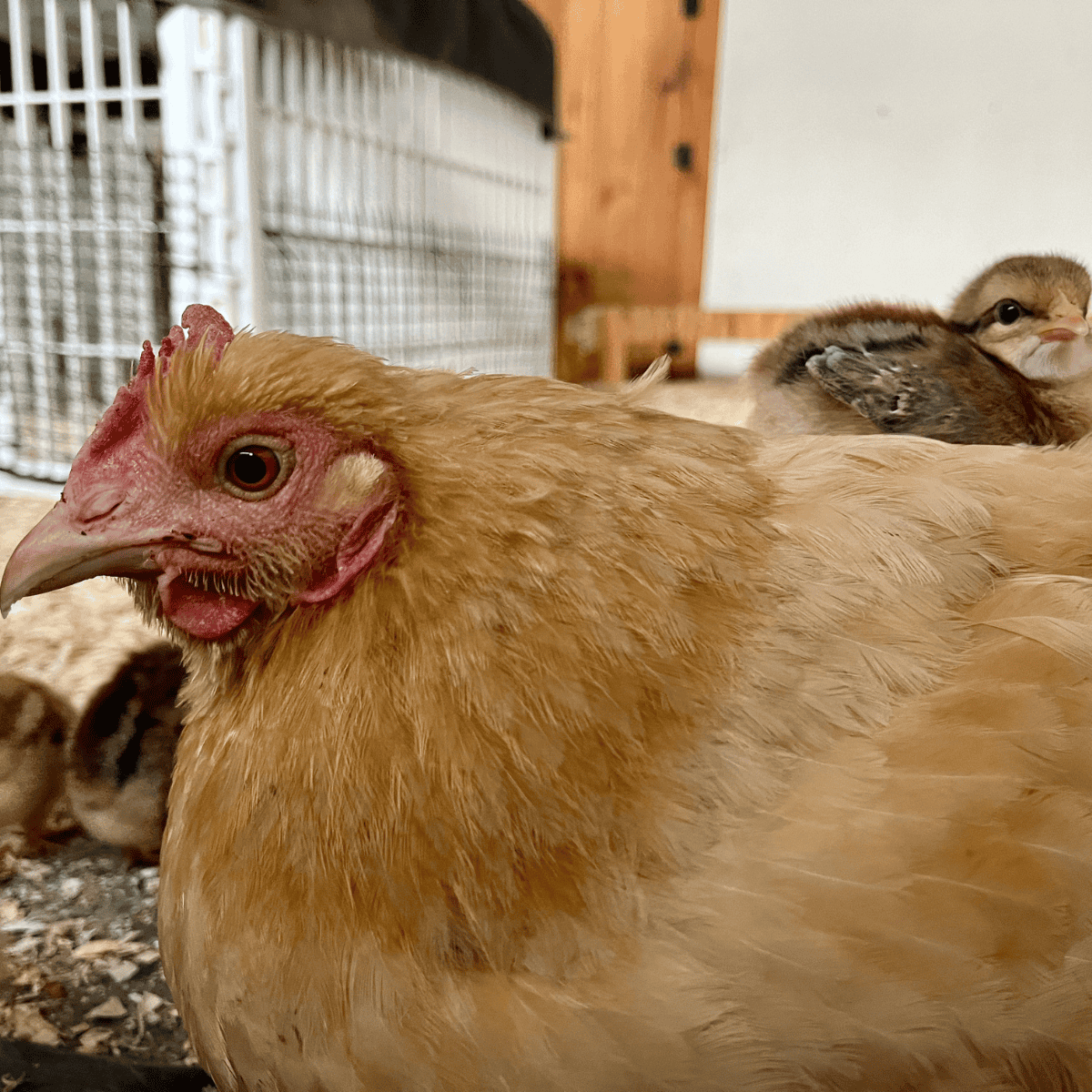
Do you have a broody hen sitting diligently in her nest box, dreaming of having her very own baby chicks? Adopting chicks with your hen is the way to go if you don’t have a rooster to fertilize eggs or don’t want to risk hatching roosters. This method offers a perfect solution! Raising chicks is…
Continue Reading The Joy of Being Broody: Adopting Chicks with Your Hen

Hi there! I’m Jess, a backyard chicken keeper living on the beautiful island of Puerto Rico. With my flock of 22 friendly chickens, my mission is to help others feel confident about raising happy, healthy, and super friendly chickens. My dream is that everyone gets to know the love of a chicken and experience the joy they bring to your life.
So glad I clicked your link, Jessica. This is so helpful and I’m really looking forward to reading through everything here! Thank you!